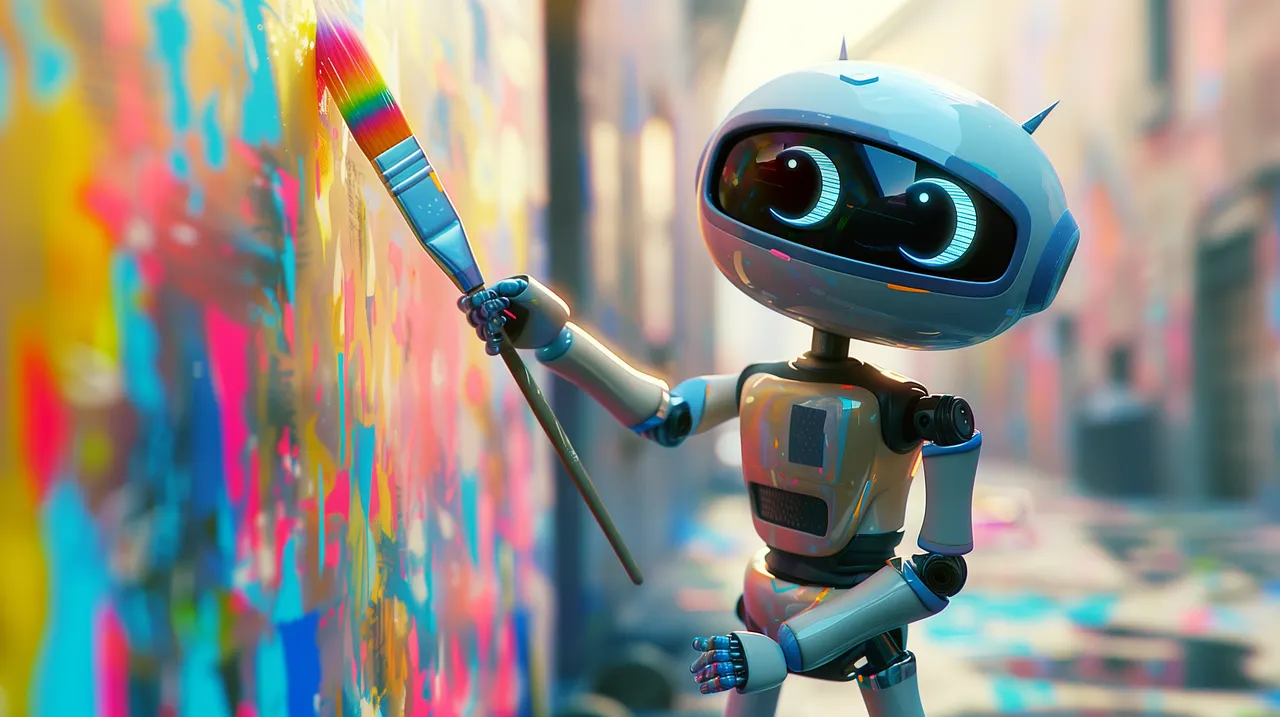
AI usage for any task is seemingly linked together and is on the rise; this especially includes AI-generated photos and videos throughout social media platforms.
This becomes a problem when online creators start arguing over who created an image/video and begin fighting over rights. Here’s the thing: do they own the rights?
Rights in creative works like paintings, books, songs and films are generally called copyright. Unlike other forms of intellectual property such as patents or trademarks, which normally require a formal application to a government authority, copyright in most countries is automatic once an original work is created and fixed in a tangible form (for example, saved as a file or written down). Some countries, including Malaysia and the United States, offer voluntary registration mainly to make enforcement and litigation easier.
So, do people who use AI to create art or videos have copyright protection?
The honest answer: it depends
Purely AI-Generated Works Usually Have No Copyright
The emerging global position is that purely AI-generated art, where users simply type out a short prompt into tools such as Midjourney, DDALL·E – should be DALL.E?, etc., accepts that output without meaning editing, will usually not qualify for copyright protection.
The reason is simple, copyright law in most systems is built around human authorship. Where the creative expression comes from the AI model rather than a real person, it becomes hard to satisfy that requirement.
United States: Clear Human Authorship Requirement
This is especially set out in the US in the U.S. Copyright Office (USCO) policy on AI in March 2023, stating that copyright protects only works of human authorship and material produced solely by generative AI is not copyrightable. [*] This was seen to apply in Thaler v Perlmutter, where an AI system allegedly created an artwork on its own. This was refused by the USCO because of the lack of a human author and was agreed additionally in the D.C District Court and Court of Appeals. The human authorship must be relevant too; if too little, it won’t receive copyright protection as seen in Theatre D’opera Spatial.
Malaysia’s Views
In Malaysia, the Copyright Act 1987 protects original works where certain conditions are met, including that [*]:
- sufficient effort has been expended to make the work original,
- the work is fixed in material form, and
- there is a connection either to a “qualified person” or to Malaysia by way of creation or publication.
Note the “qualified person” term, which means a natural person who is a citizen or permanent resident of Malaysia (or another Berne Convention country), or a body corporate in Malaysia. Thus, AI-made art would not be protected.
Singapore: AI as a Tool, Not an Author
In Singapore, it holds similar rules, the Copyright Act 2021 also assumes a human author. The Intellectual Property Office of Singapore (IPOS) explains that if AI generates content without sufficient human creative control, that output may not qualify as a protected work at all. [*]
When AI Is Just a Tool
Yet, you should not lose all hope. If the AI is a tool in the process of creation, or there was constant editing by the human, such as choosing highly specific prompts, combining outputs, repainting, or adding elements, this is a different story. The reason for its possible approval is that it contains enough human skill and judgment to meet the originality and authorship threshold.
So in the end, there is still hope that your creation using an AI generative model can belong to you.
If you feel unsure or have any questions, contact us at Quality Oracle.