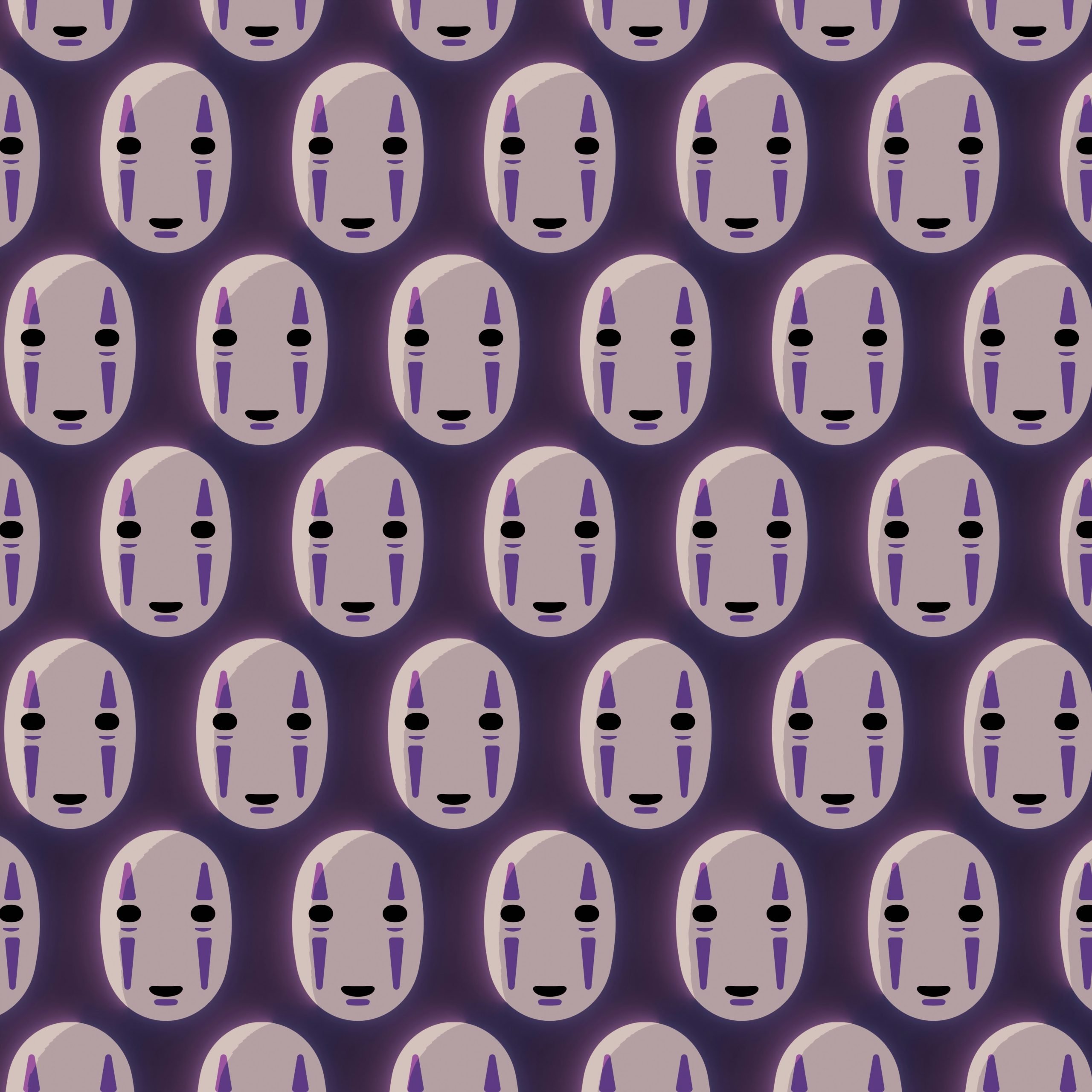
AI-generated art in the iconic style of renowned animation studio Studio Ghibli has captured worldwide attention for its ability to produce one-to-one images much like the originals.
Just days after OpenAI launched the improved GPT-4o update, the public discovered the AI’s ability to replicate the iconic style of Japanese animation studio Studio Ghibli. The update led to a surge of ChatGPT users creating Ghibli-like animations, which quickly gained traction on social media for its ability to produce Ghibli artworks with just prompts.
Studio Ghibli, renowned for its hand-drawn, emotionally resonant animated films, is the cornerstone of traditional animation. However, as AI-tools begin to advance, its potential to mimic or even reproduce Ghibli-like art has sparked concern.
The ability of AI-tools such as GPT-4o to generate scripts and images that mimics Ghibli’s signature storytelling has led to a discussion on the importance of originality and creativity in an increasingly AI-driven world.
Celebrated as one of the most artistic flimakers, Ghibli’s works are seen as masterpieces and a testament to human creativity and imagination. AI-generated works in the style of Ghibli may challenge ideas of artistic authenticity and in turn, pose a threat to the artistic integrity of many creators.
In this article, we address AI-generated work’s impact on copyright law, particularly for creators who are looking to navigate legal and ethical issues surrounding the rapid growth of AI tools.
Has Copyright Laws Caught Up With AI-Generative Tools?
Copyright law protects creative works. However, the style of such creative works are not necessarily protected by law. AI models trained on vast datasets including copyrighted material may or may not infringe upon original works as the line between inspiration and directly replicating artworks becomes blurred. Can a renowed animation studio like Studio Ghibli obtain ownership over the style of their artwork, or just specific creative works?
AI’s ability to reproduce similarly styled content gives way to potential for copyright infringement, especially since many of the AI-tools out there learn datasets containing large volumes of copyrighted materials without the permission of owners. This leads to the dilution of original works, leading to depriving creators of financial compensation for their works.
Proposals and implementations to protect copyrighted works have been in action around the world, such as the Generative AI Copyright Disclosure Act in the United States. This proposal requires AI companies to disclose which copyrighted materials were used to train their models before releasing them to the public.
In the European Union, the EU AI Act works to promote the responsibile development of AI systems by ensuring transparency and protection of rights.
Similarly in Thailand, the Draft Royal Decree on Business Operations that Use AI Systems prohibits AI systems to access sensitive personal information or use subliminal techniques.
Although AI developers often cite the fair use doctrine as a front line defense, fair use in AI-generated works remains a complex and evolving issue. This calls for clearer guidelines and updated legal frameworks to ensure copyrighted works are not violated by AI-tools.
This framework should acknowledge the challenges posed by AI’s use of farmed datasets, while providing clear guidelines on the application of fair use and copyright law to AI-generated content. What does fair use mean in the context of AI? Can copyright owners collaborate with AI-tools to reach a happy medium in our evolving landscape?
Licensing of works may help address the issues raised by creators as licensing models can ensure proper compensation to copyright owners.
On a broader note, copyright law ought to recognize the societal impacts of AI. Laws prioritising fairness and protecting artistic integrity to ensure AI does more good than harm can help integrate AI technology into the broader creative ecosystem, encouraging collaboration and innovation whilst protecting the rights of creatives.
Quality Oracle are proud of 30 years in protecting copyrighted works, in Malaysia and internationally.