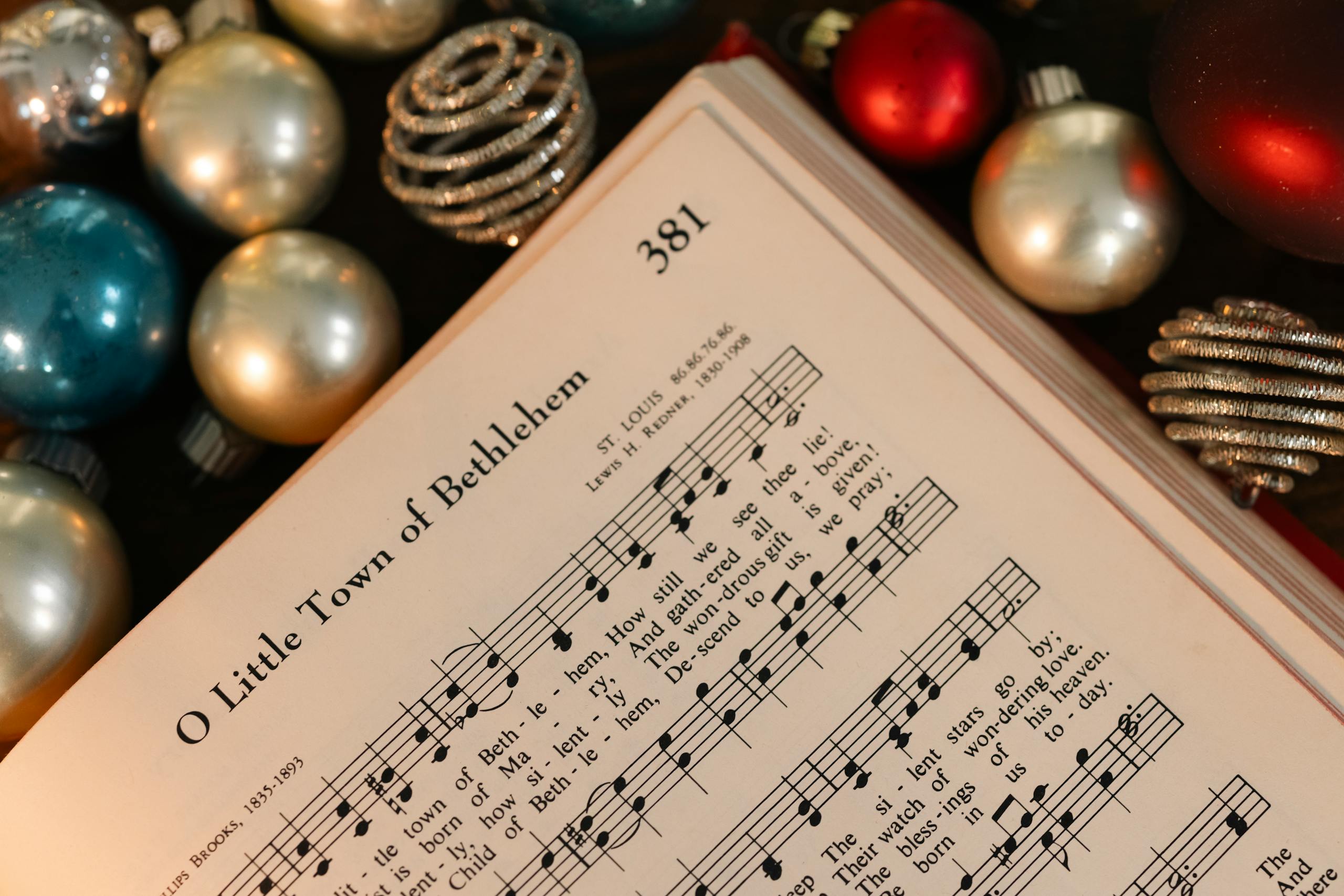
Every December, the same thing happens.
The tree goes up, the fairy lights come on, and “All I Want for Christmas Is You” magically appears in every café, shopping mall and TikTok feed on earth.
For Mariah Carey, that song is more than just a festive vibe – it’s a business. By 2023, total royalties from “All I Want for Christmas Is You” were estimated at around US$100 million, and recent estimates suggest Mariah personally earns about US$2.5–3 million every year from that one track alone, according to Forbes.
Similarly, ‘Last Christmas’ by Wham! generates over US$500,000 in royalties every year during the festive season[*]
So when a business uses Christmas music, it’s not just “background vibes” – it’s someone’s serious intellectual property.
Playing Music In Your Café: Background, but Not “Free”
Scenario 1: You own a café.
You put on a Christmas playlist for your customers – Mariah, Wham!, Michael Bublé on loop.
Legally, this is called public performance of music.
In most countries, that means:
- Businesses are expected to pay a music licence (usually yearly) to a music licensing body that represents songwriters, publishers, and often record labels.
Sometimes this is arranged by the landlord/mall management, or is included in a background music service (they provide the music and the licences).
Many people assume that a Spotify subscription gives them a licence to play music in their café. It doesn’t. Those licences are for personal listening, not commercial use. Your Christmas playlist is only truly “legal” if your café has the proper business music licence in place. [*]
Using Christmas Songs in Ads
Scenario 2: You film a Christmas promo video.
Using them in ads, however, is a whole other ballpark. Let’s say you want to do an advertisement for a new drink. You decided to pair the advert with the song “Last Christmas”. This is no longer a public performance, but requires specific permission.
Moreover, while most platforms have music in their built-in library, and they have deals with rightsholders, it does not mean you can use them freely without conditions. These deals tend to focus on personal/user-generated content. When in a business context, the rules would be stricter.
Old Carols vs Modern Hits
Old Carols are usually public domain. This means that you are free to use their melody and lyrics.
Examples of these are:
- Silent Night
- Jingle Bells
- Deck the Halls
- We Wish You a Merry Christmas
However, you can’t use recordings by modern artists such as Michael Bublé’s “Silent Night” or any record label’s recording of it. Instead, stick to making your own recording or hiring musicians to record it for you.
It goes without a doubt that modern Christmas songs are still protected through copyright protections, and to use them, you require a proper licence.
Examples:
- All I Want For Christmas Is You – Mariah Carey
- Mistletoe – Justin Bieber
- Last Christmas – Wham!
- Santa Tell Me – Ariana Grande
There is an easier route, businesses may choose to:
- Use royalty-free Christmas tracks from reputable music libraries, or
- Subscribe to business background music services that bundle music with the necessary public performance licences.
You still get the festive mood, but with:
- Clear terms of use,
- Fewer worries about takedowns or infringement, and
- Costs you can plan for upfront, instead of surprise legal issues later.
Conclusion
Christmas music is powerful: it makes customers stay longer, spend more, and actually feel the season.
But for the people who own these songs, it’s not just nostalgia, it’s their intellectual property, and for some, their retirement plan. If you’re planning a festive campaign and you’re not 100% sure if your use of music is covered. It’s much cheaper to ask for advice now from us at Quality Oracle than to deal with a takedown or licence dispute in the middle of Christmas.