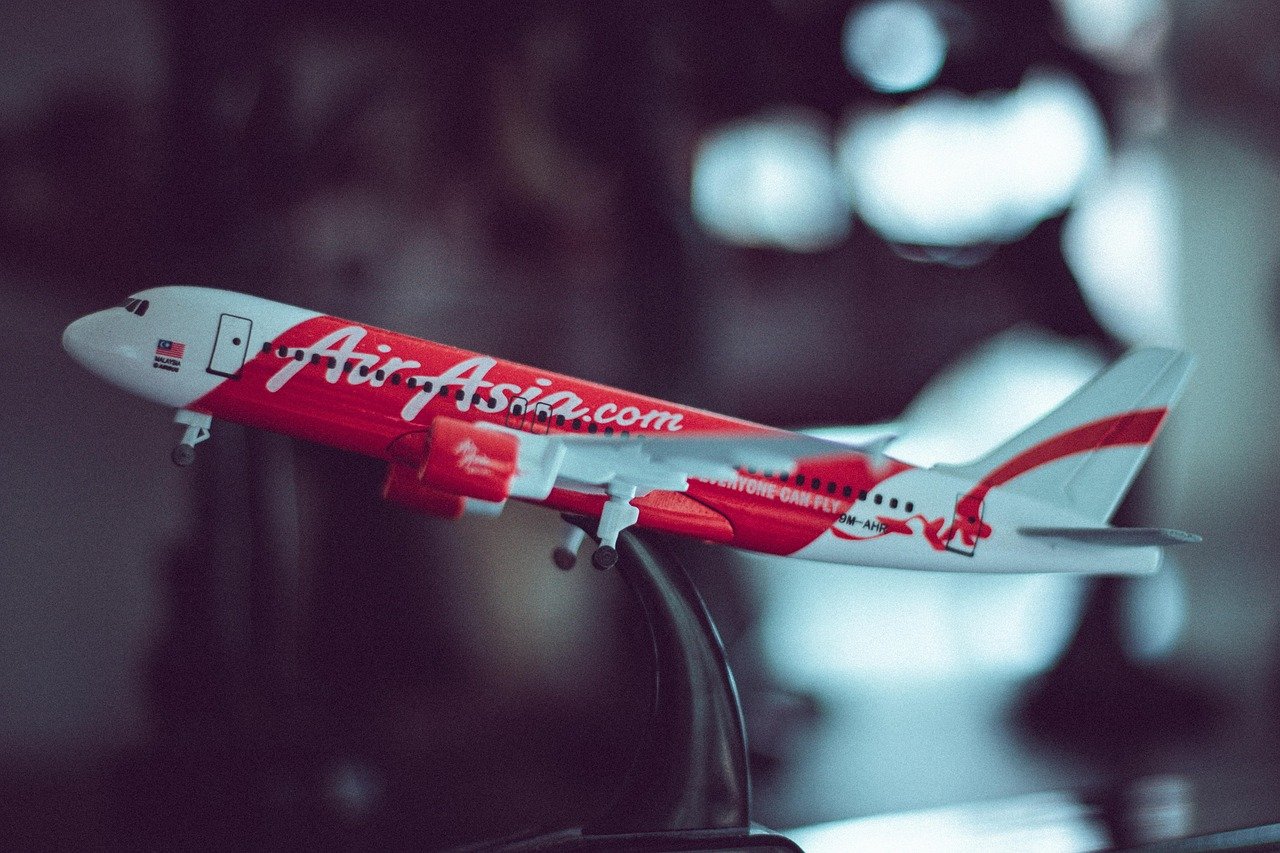
Most of us have done it: you open an app or go online, search for a flight, and see Malaysia Airlines, Firefly and AirAsia all lined up on one screen. Same app, same interface, different airline logos. You pick the cheapest, tap “buy”, and move on with your life.
To a traveller, that’s just convenience. To the Malaysian High Court, that was enough to find trademark infringement and passing off by the AirAsia SuperApp.
This isn’t just a spat between two airlines. It quietly rewrites the rules on how all platforms, OTAs and superapps in Malaysia can use other people’s brands.
How Malaysia Airlines and Firefly Ended Up Suing AirAsia
Malaysia Airlines Berhad (MAS) and Firefly Sdn Berhad are the registered owners of the ‘Malaysia Airlines’ and ‘Firefly’ word and logo marks, respectively, in Malaysia. They use those marks for their airline services and online booking platforms.
AirAsia Com Travel Sdn Bhd, on the other hand, is the company behind the AirAsia SuperApp. This isn’t the airline itself, but a group company running a superapp that bundles different ‘mini apps’ such as food, rides and travel, all in one ecosystem. The ‘Travel’ section allows users to see and book flights not only on AirAsia, but also on other airlines, which are directly pulled from other airlines or through aggregators.
All of this was done with no licence or agreement. At one point, AirAsia actually emailed MAS seeking permission, which was denied, but the listings continued anyway.
Hence, Malaysia Airlines and Firefly eventually sued in the High Court for trademark infringement, passing off, unlawful interference with trade, and declarations that their marks are well-known trademarks under the Trademarks Act 2019. They also filed for an interim injunction to stop AirAsia from using their marks and selling their tickets while the case was ongoing, which was granted by the court. [*]
High Court Decisions
The High Court treated this as the first serious test of section 54 of the Trademarks Act 2019. Under the old law, courts talked about “use as a trademark”. The 2019 Act dropped those words and simply says “uses a sign”, with examples like using it in advertising, on commercial documents or when offering services.
The judge held that this change was deliberate. You no longer need to prove that the defendant is using your mark as their own brand. If they use your mark commercially in one of the situations in section 54(3) without consent, that can be infringement. In this case, showing Malaysia Airlines’ and Firefly’s names and logos on search and booking screens was “use” in connection with offering services and in advertising and commercial documents.
On confusion, the court accepted that users know Malaysia Airlines flights come from Malaysia Airlines. But it said an ordinary user would still think there is some collaboration or authorisation between MAS/Firefly and AirAsia if their logos appear in an AirAsia-run app selling their tickets. That was enough for a likelihood of confusion.
Defences like “we’re just describing whose flight it is” and “everyone in the industry does this” were rejected. The court refused to follow UK/EU/Singapore cases that still insist on “use as a trade mark”. It found infringement and passing off, declared the marks well-known, granted a permanent injunction, and left damages to be assessed. The case is now on appeal, but this is the law in Malaysia for the moment. But the case is currently under review.
What Does This Mean For Malaysia Now?
The practical effect of this decision is that Malaysia has stepped away from the UK/EU/Singapore approach. In places like the UK, the EU and Singapore, courts usually ask a simpler question: are you using this brand as if it were your own? If a platform is just using a logo to honestly show that it is reselling someone else’s genuine flights or products, courts there are generally more relaxed and may say there is no infringement.
The Malaysian High Court, by contrast, focused on the wording of section 54 and said that “use” should be read in its ordinary, broad sense. Using it in a commercial context without permission, such as the way AirAsia SuperApp did, courts can find infringement, even if the brand is clear that they are not the owner.
So what happens to Malaysia:
- For platforms (superapps / OTAs / marketplaces):
- Don’t just copy how apps in UK/SG/EU use logos.
- In Malaysia, using other people’s logos in your app without permission is now much riskier.
- Treat logos like a licensing issue:
- If you want to show another airline’s/hotel’s/brand’s logo while selling their services, you should have a written agreement.
- It’s not just “UX design” anymore – it’s a legal question.
- For brand owners (airlines, hotels, F&B, big brands):
- You now have stronger grounds to complain if platforms use your logo without content.
- The basic position is: “If you want to use our logo in your app, you should ask first.”
If this case makes you wonder whether your own use of airline, hotel or brand logos is safe, we can help. We regularly advise both platforms and brand owners on trademark use, licensing and online branding in Malaysia and Singapore. Contact us at Quality Oracle.